The Unnameable Essence of Reality
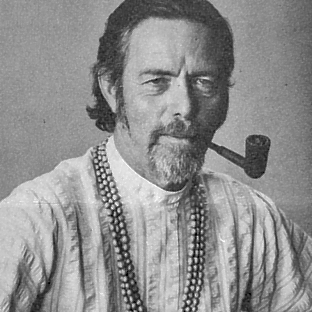
Alan Watts once remarked, "Reality is what cannot be named." This profound statement invites us to explore the limitations of language and the essence of existence itself. In a world where we often seek to categorize and define our experiences, Watts challenges us to recognize that the truest nature of reality eludes our verbal grasp. This insight is not merely philosophical; it has practical implications for how we engage with the world around us, urging us to embrace the ineffable rather than confine it within the boundaries of language.
To delve deeper into this notion, we must confront the paradox that arises from our attempts to articulate reality. Language, while a powerful tool for communication, often falls short of capturing the full spectrum of human experience. Watts invites us to consider that the most profound truths—those that resonate deeply within us—are often beyond the reach of words. This realization can lead to a transformative understanding of our relationship with reality, encouraging us to cultivate a sense of wonder and openness rather than a rigid adherence to definitions.
The image / the metaphor
At the heart of Watts's quote lies a striking image: the idea that reality exists beyond the confines of language. The verbs "is" and "cannot be named" evoke a sense of presence and absence, suggesting that what truly matters is not what we can articulate, but what lies beneath the surface of our words. This evokes a felt sense of mystery, inviting us to experience reality as a living, breathing entity rather than a static concept. The imagery conjures a landscape of uncharted territory, where the essence of existence beckons us to explore without the constraints of labels.
Diving deeper into this metaphor, we can see that the act of naming often serves to limit our understanding. When we label something, we create a boundary around it, defining it in a way that may not encompass its entirety. Watts's assertion encourages us to embrace the fluidity of reality, recognizing that it is a dynamic interplay of experiences, emotions, and perceptions. This perspective invites us to engage with life more fully, allowing ourselves to be present in the moment without the need for categorization or definition.
In the speaker's tradition
In his writings, Watts often draws upon the teachings of the *Tao Te Ching*, where Lao Tzu famously states, "The Tao that can be told is not the eternal Tao." This sentiment echoes Watts's perspective, emphasizing that the essence of reality is beyond verbal expression. Both thinkers invite us to embrace the mystery of existence, encouraging a direct engagement with life that transcends the confines of language and thought. In this way, Watts's teachings resonate deeply within the Zen tradition, offering a pathway to a more profound understanding of our place in the universe.
Living the teaching
Consider a modern scenario where this teaching can be applied: a moment of frustration during a conversation. Perhaps you find yourself caught in a disagreement, each party struggling to articulate their perspective. In such instances, the urge to name and define the situation can lead to further conflict. By embracing Watts's insight, you might pause and recognize that the essence of the disagreement—rooted in emotions, experiences, and unspoken truths—cannot be fully captured in words. This awareness can foster a deeper connection, allowing for empathy and understanding to emerge beyond the limitations of language.
Another application of this teaching may arise in the context of relationships. Imagine a moment of intimacy with a loved one, where words feel inadequate to express the depth of your feelings. In such instances, the beauty of the connection transcends verbal expression, inviting you to simply be present with one another. By acknowledging that reality is what cannot be named, you can cultivate a space of acceptance and vulnerability, allowing the relationship to flourish in its ineffable essence. This practice of presence can deepen your connections, reminding you that the most profound experiences often lie beyond the reach of language.
A reflection
As we contemplate Watts's assertion that "Reality is what cannot be named," we are invited to reflect on our own relationship with language and experience. How often do we find ourselves trapped in the confines of our definitions, missing the richness of reality that lies beyond? In moments of stillness, consider this question: What unnameable truths are waiting to be discovered in your life, and how might embracing the ineffable transform your understanding of reality?




Join the BrightStar Community
Stay connected with daily inspiration, event announcements, and community wisdom